Exploring Our Firm Mission & Global Presence Across International Markets
Global Immigration Solutions: Professional Services Around the World
Global immigration assistance plays a significant part in managing the complexities of cross-border transitions. They deliver personalized approaches for those looking for visas, permanent residency, or citizenship status. Nevertheless, the immigration environment is constantly changing, offering both obstacles and possibilities. Grasping how these solutions perform can considerably shape a person's relocation outcome. Because numerous aspects shape immigration policies, it is important to discover what solutions can supply the essential support in this elaborate system.
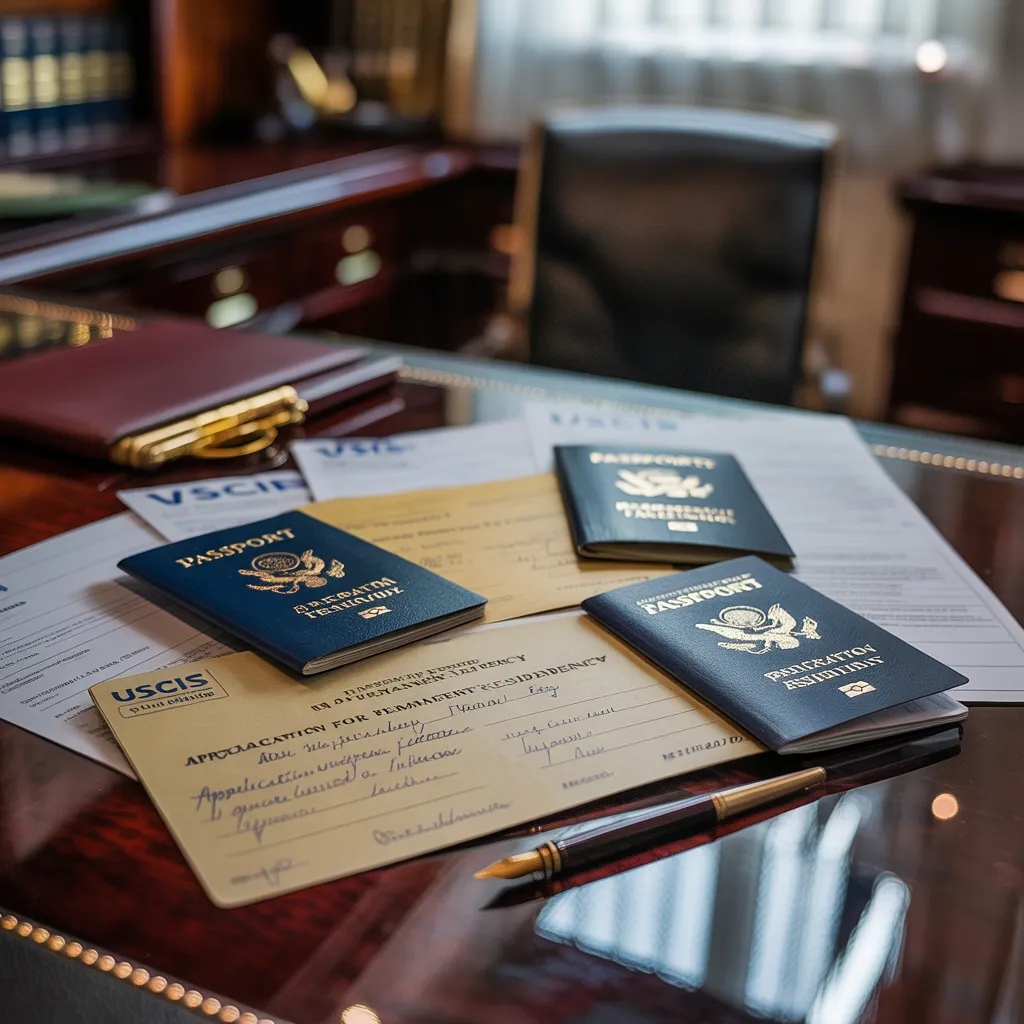
Common Hurdles in International Immigration
While countries remain committed to updating their immigration systems, people and households frequently face a variety of common challenges in global immigration. Such obstacles may encompass maneuvering through complex legal systems, understanding diverse regulations, and meeting rigorous documentation requirements. Language barriers often complicate communication with authorities, resulting in misunderstandings and delays. Additionally, the emotional toll of relocation can create substantial stress, as families grapple with cultural adjustments and the potential loss of support networks. Financial constraints frequently emerge due to application fees, relocation costs, and the need for legal assistance. Additionally, individuals may face uncertainty regarding their immigration status, which can impede job opportunities and affect future planning. As a result, awareness of these challenges is essential for anyone considering immigration, as it can help them better prepare for the complex journey ahead.
Grasping International Immigration Services
Comprehending Global Immigration Services entails recognizing the various types of services available to individuals seeking to relocate internationally. These services can include visa requests, residential authorization, and citizenship assistance, among others. Expert assistance in these areas can greatly simplify the immigration process and enhance the likelihood of successful outcomes.
Types Of Immigration Services
Different kinds of immigration services cater to the varied needs of individuals seeking to move to a new country. These services include a range of options, featuring family reunification, work permits, student visas, and refugee and asylum applications. Family reunification services assist with the immigration of family members to join relatives already living in a host country. Work permits permit individuals to gain employment, often requiring sponsorship from an employer. Student visa services help those pursuing education abroad, while refugee and asylum services provide protection for individuals fleeing persecution. Additionally, investors may seek opportunities through business immigration services, permitting them to reside in a new country by contributing economically. Each service handles unique circumstances and legal requirements necessary for successful immigration.
Advantages Of Expert Assistance
Moving through the complexities of global immigration services can be challenging, especially given the intricate legal requirements and procedural nuances involved. Professional assistance offers numerous benefits that can simplify this journey. Experts in immigration services possess thorough knowledge of various laws and regulations, ensuring compliance and minimizing the risk of errors. Their experience allows for tailored strategies tailored to individual circumstances, improving the likelihood of successful outcomes. Additionally, professional consultants can provide valuable insights into options that applicants may not be aware of, such as alternative visas or residency paths. Ultimately, engaging a professional can save time, reduce stress, and increase the chances of managing the immigration process successfully and smoothly.
Essential Services Offered by Immigration Experts That Are Important
Navigating the challenges of immigration can be overwhelming, but a spectrum of essential services delivered by immigration professionals can significantly ease the process. These professionals offer tailored consultations to assess individual needs and provide personalized advice. They assist with the preparation and submission of various immigration applications, ensuring conformity with legal requirements. Furthermore, immigration specialists facilitate communication with governmental agencies, minimizing the likelihood of confusion and delays.
Furthermore, they provide essential resources, featuring notifications about evolving immigration rules and regulations, supporting those seeking help remain updated on their choices. Moreover, consultants can deliver support for documentation, like visas, work permits, and residential applications, confirming all important paperwork is accurate and complete. By offering these important services, immigration professionals play a critical role in facilitating the immigration experience, making it more manageable for applicants and their loved ones seeking to deal with international borders.
How Immigration Services Make Your Process Easier?
How can immigration services streamline the frequently difficult process of relocating to a new country? By offering expert guidance, immigration services guide you through the complexities of visa applications and legal requirements. These professionals have an in-depth understanding of immigration laws and policies, which greatly reduces the risk of errors in documentation.
Additionally, immigration services supply personalized consultations, examining individual circumstances to propose the most suitable pathways for relocation. They also assist with gathering necessary documents, ensuring compliance with deadlines and requirements determined by authorities.
Additionally, these services typically offer support in language translation and cultural orientation, easing the shift for newcomers. By managing these diverse tasks, immigration services reduce much of the stress linked to moving internationally, enabling individuals and families to prioritize their new beginnings rather than bureaucratic obstacles.
How to Choose the Right Immigration Service Provider for Your Needs
What factors should one consider when selecting an immigration service? Initially, the credibility of the service provider is critical. Client feedback and reviews from former clients can give insights into their dependability and achievement rates. Next, one should assess the proficiency of the staff, notably their knowledge of specific immigration laws and regulations applicable to the client's case.
Moreover, the scope of services provided is crucial. A full-service immigration service should supply assistance with documentation, application processes, and legal advice. Transparency in pricing is also vital; clients should know the costs involved without undisclosed fees.
Last but not least, responsiveness and communication style matter greatly. An agency that keeps clear and timely communication can alleviate stress during the immigration process. By thoroughly examining these elements, individuals can select an immigration service that aligns with their individual circumstances and enhances their probability of a positive result.
Emerging Trends in International Immigration Services and Regulations
Global immigration services are experiencing substantial shifts influenced by digital innovation and changing visa policies. As governments respond to the requirements of a worldwide talent pool, developments in professional mobility are revolutionizing immigration process administration. Such progressions stress the requirement for stakeholders to maintain awareness of new standards and protocols in this domain.
Digital Innovation in Immigration Services
With governments and organizations steadily embracing technology, the terrain of immigration services and regulations faces significant digital transformation. The incorporation of artificial intelligence, machine learning, and blockchain technology enhances efficiency, streamlines processes, and improves the precision of immigration applications and decisions. Real-time communication between applicants and governmental bodies is being facilitated through online platforms, which enable faster responses and reduce bureaucratic delays. Moreover, data analytics helps identify trends and potential challenges in immigration systems, facilitating proactive measures. As these advancements take hold, they promise to create a more transparent and user-friendly experience for individuals traversing immigration pathways, ultimately redefining the relationship between migrants and the institutions that govern their movements across borders.
Developing Visa Regulations
Digital innovation is establishing the foundation for a shift in visa regulations worldwide. Governments are increasingly employing technology to streamline immigration processes and enhance compliance. Data analytics and artificial intelligence are being implemented to assess visa applications more efficiently, minimizing processing times and strengthening decision-making accuracy. In addition, many examine now countries are exploring digital visa solutions that allow for remote application submissions and real-time tracking. As global interconnectedness grows, regulatory frameworks are adapting to facilitate easier movement for skilled workers, tourists, and business travelers. Additionally, countries are beginning to harmonize their visa policies, promoting cross-border collaboration. This evolution demonstrates a response to both economic demands and social trends, ensuring that immigration systems remain applicable and effective in a rapidly changing world.
Worldwide Talent Movement Patterns
A significant shift in global talent mobility is foreseen as countries adjust to the changing landscape of immigration services and regulations. As economies regain strength post-pandemic, nations are more and more recognizing the value of skilled migrants. Countries are expected to implement increasingly adaptable visa policies, focusing on attracting talent in high-demand sectors such as technology and healthcare. Additionally, remote work trends may shape immigration approaches, allowing for hybrid models that blend physical and virtual presence. Governments are projected to collaborate on mutual recognition of qualifications, facilitating smoother changes for professionals. These developing trends emphasize a proactive stance toward global talent mobility, ultimately fostering prosperity and innovation across borders while addressing demographic challenges.
Popular Questions
What Documentation Is Typically Needed for Immigration Applications?
Normally, immigration applications need identification documents, residential documentation, financial documents, employment records, medical documents, and sometimes background checks. Extra documents may be essential according to the designated immigration class and country involved.
How Long Does the Immigration Process Usually Take?
The immigration journey typically requires anywhere from several months to a few years, relying on elements including the kind of visa, where the applicant originates from, and the effectiveness of the relevant immigration authorities.
Are There Age Limits for Immigration Applications?
Immigration applications typically do not have specific age limits; however, some programs might include age-related requirements. Individuals applying should reach out to pertinent immigration authorities to understand any potential age restrictions associated with their specific situation.
May I Apply to Several Countries at the Same Time?
Individuals may indeed submit immigration applications to several countries at the same time. That said, each application has to meet the distinct requirements and regulations of the individual countries, which may vary considerably and affect processing times.
What Should I Do if My Application Gets Rejected?
When an application gets denied, the individual should examine the denial reasons, assemble required documentation, and consider appealing the decision or reapplying. Seeking advice from an immigration expert may provide further guidance and support.